Funerals
How do funerals work at St. Francis Xavier?
If one knows that somebody is dying, the first obligation is to call the parish (920-336-1813) for the administration of the Last Rites. The Last Rites provide many spiritual benefits to the dying person such as the forgiveness of sins, the lifting of any temporal punishment due to sin, Holy Communion for the journey from life to death, and spiritual consolation.
After the person has died, usually one calls the funeral home and works with them. The funeral home will handle many of the first contacts on your behalf.
Once a date and time have been determined for the funeral, Father Jason will want to meet with the family to plan the funeral liturgy. The funeral can either be a Mass or a funeral liturgy outside of Mass. Also, if there is a vigil the night before with a parish service, that will be planned at the same time. Most other details are planned by the funeral home.
“Jesus said to her, ‘Your brother will rise.’ Martha said to him, ‘I know he will rise, in the resurrection on the last day.’ Jesus told her, ‘I am the resurrection and the life; whoever believes in me, even if he dies, will live, and everyone who lives and believes in me will never die. Do you believe this?’ She said to him, ‘Yes, Lord. I have come to believe that you are the Messiah, the Son of God, the one who is coming into the world.”
- John 11:23-27
In the Christian funeral liturgy, we are told that life is changed, not ended. Funerals are acts of faith. In a funeral, we express the belief that Jesus rose from the dead and that he promises resurrection to those who have been His faithful followers. Jesus, who walks with us through life, is present at our funerals, the ritual celebrating the passing from death to eternal life.
Whenever possible, arrangements for a funeral should include Mass and burial.
It is preferable that the body or cremated remains be buried in a Catholic cemetery consecrated for this purpose. We have a parish cemetery in conjunction with St. Mary Parish called Mount Olivet Catholic Cemetery. While preferable to be in a Catholic cemetery, this is not a requirement.
The Church prefers the burial of the body, but does allow for cremation. “The Church permits cremation, provided that it does not demonstrate a denial of faith in the resurrection of the body” (Catechism of the Catholic Church, 2301). Whenever a Catholic is cremated, the remains are to be buried or interred, not scattered.
What is the meaning of Christian death?
We do not like to think about death. Much in our culture tries to distract us about our final destiny. We are encouraged to think only about the present moment.
But the Christian embraces life and the fullness of life after death. Christians should assist those who are dying in their journey. “The dying should be given attention and care to help them live their last moments in dignity and peace. They will be helped by the prayer of their relatives, who must see to it that the sick receive at the proper time the sacraments that prepare them to meet the living God” (Catechism of the Catholic Church, 2299).
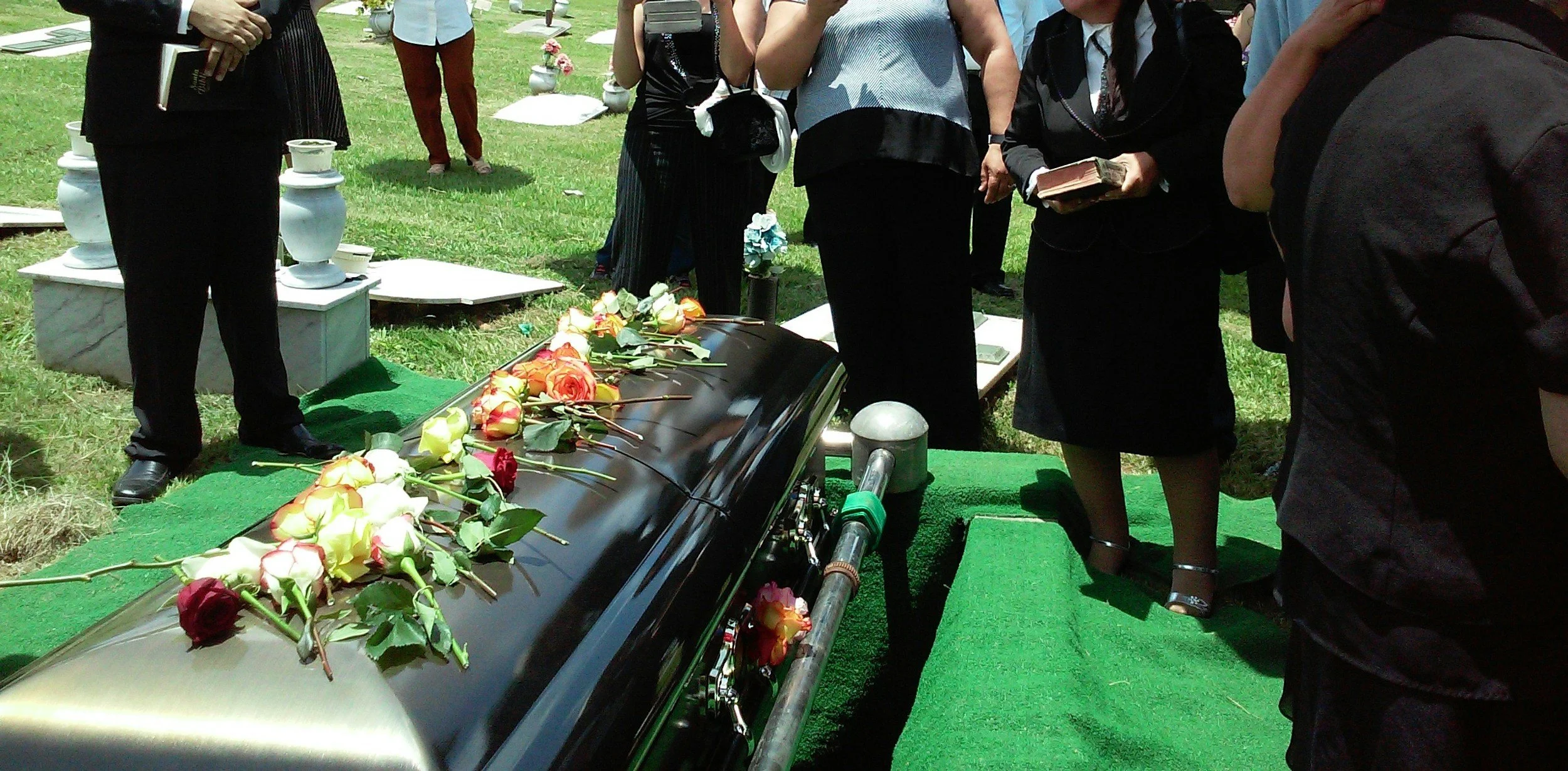
Not only do we care for the dying, but we also maintain reverence for their bodies once they have died. “The bodies of the death must be treated with respect and charity, in faith and in the hope of the Resurrection. The burial of the dead is a corporal work of mercy [cf. Tobit 1:16-18]; it honors the children of God, who are temples of the Holy Spirit” (Catechism of the Catholic Church, 2300). The rituals that accompany death include the funeral vigil (wake), the funeral itself, and the burial of the body or the cremated remains. Participation is invited and welcome. This enables family and friends to demonstrate reverence for the deceased, to pray together for the eternal repose of the deceased, and to give the family of the deceased prayerful support.
How does one have Mass offered for the deceased?
Call the parish office and talk to the parish administrative assistant to reserve a Mass for the deceased, 920-336-1813. In a Mass for the deceased, the merits of that Mass are offered for the purification of their soul.